REGIONAL SPECIALISTS
Siegel Design Architects particularly specializes in the regional adaptation of each project. We work throughout New Mexico, with specific emphasis on Northern New Mexico and the Rio Grande Valley.
Let us examine our history and specific interest in regionalism—the regional fit of each project.
Each project, each building, has a specific location, a site, and an immediate context. Fifty years ago, Jonathan developed a thesis entitled “Vernacular Architecture as Environmentally Fit.”
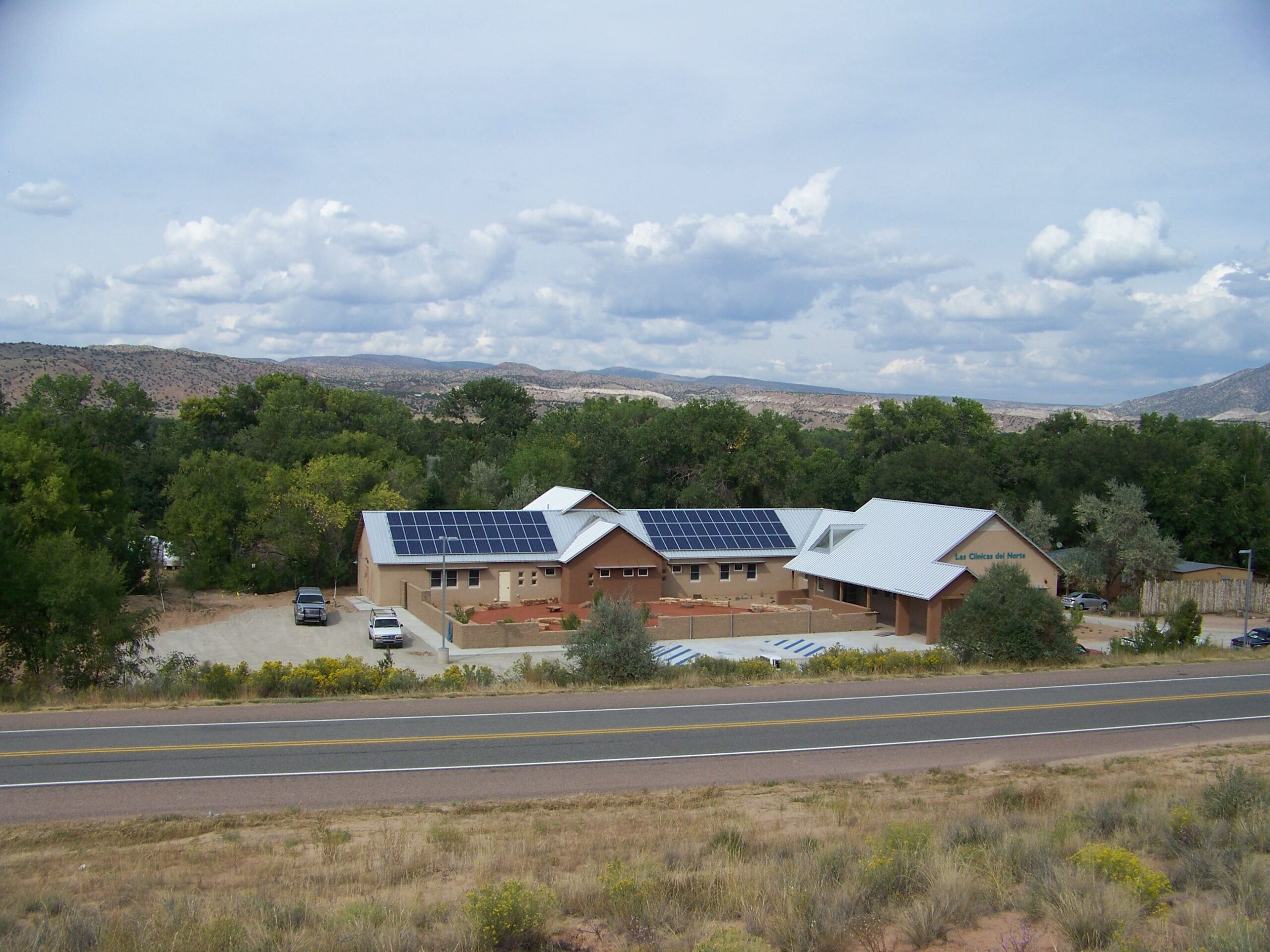
What does this mean to us and to you? It means that ideally each building fits its locale in a natural and easy way, just as properly fitting clothing suits you depending on the climate, the day, and your activity needs. If we transplanted a Cape Cod house to the landscape of New Mexico, it would not fit well and would not function well. Material choices would be awkward, and even the technical skills of workers constructing the project would likely be mismatched. In the same way, when we design a lovely adobe or adobe-styled building here, it could not be transplanted to a wholly different site or climate, and would neither fit visually nor respond appropriately to the climate needs of the transplant site.
Our design process with you includes early evaluation of construction methods, locally available materials, and regional building practices to ensure that each design is realistically buildable.
When we take the time to study a site, we include the client and probe the setting using our own criteria as well as that of the client. We discuss the site and its regional setting and learn from one another what it means to be considering the siting of a project in this specific place and time. This regional understanding is adjusted by applicable zoning, building codes, and local review processes, which are verified and refined as the project moves forward. The needs of the Owner (“the program”) are first and foremost, and closely behind that we consider how the Owner will fit within the environment through the project.


(continued)
The results are rich and help to integrate the Owner and the final project into its setting—regional and site specific. The building owner experiences immediate social welcoming from neighbors who are grateful to see the new building and to recognize shared values and a common cultural and visual vocabulary. There is no loss of individuality nor of responsiveness to your needs.
The integration of material and spatial form fosters appreciation of the site and responds to it with thoughtful adjustment. This approach guides the organization of public and private spaces, circulation patterns, and the relationship between indoor and outdoor areas so that the building functions intuitively for daily life. Climate considerations such as sun exposure, temperature variation, and seasonal patterns inform building form, envelope design, and the selection of materials that respond appropriately over time.
It is important to realize that there is not a formula for inserting a new building into a site; rather, it is a delightful mixing of acceptance of the site and your needs, the sculpting and shaping of daily movements, and a thoughtful responsiveness to climate through materials.